This post will show Low-Maintenance Cozy Backyard Designs for a Beautiful Space.
You want beautiful low-maintenance cozy backyard designs where you can relax, enjoy fresh air, and spend time alone or with your family without turning every weekend into a gardening or cleaning project.
Because creating time between work, family responsibilities, and other daily activities to mow the lawn, trim plants, remove weeds, and clean outdoor furniture isn’t always easy.
You may also prefer a simple outdoor space instead of one filled with expensive decorations, complicated garden features, and plants that need constant attention. The good news is you can have a comfortable, attractive backyard without taking on too much maintenance.
A gravel garden with a few large planters, a paved patio with comfortable chairs, or a small wooden deck surrounded by easy-care plants can all create a welcoming outdoor space. Choose designs that suit your available space, budget, and lifestyle.
In this guide, we’ll explore Low-Maintenance Cozy Backyard Designs for a Beautiful Space That’s Easy to Maintain. You’ll find practical outdoor setups, furniture arrangements, plant ideas, and simple ways to keep your backyard looking good without spending all your free time maintaining it.
12 Low-Maintenance Cozy Backyard Designs to Inspire You
Creating a backyard that requires less upkeep doesn’t mean leaving it empty or giving up on the outdoor features you enjoy. The key is to choose simple layouts, durable materials, and plants that don’t need constant attention.
Here are 12 designs to inspire your backyard makeover.
1. Create a Gravel Backyard With Comfortable Outdoor Seating
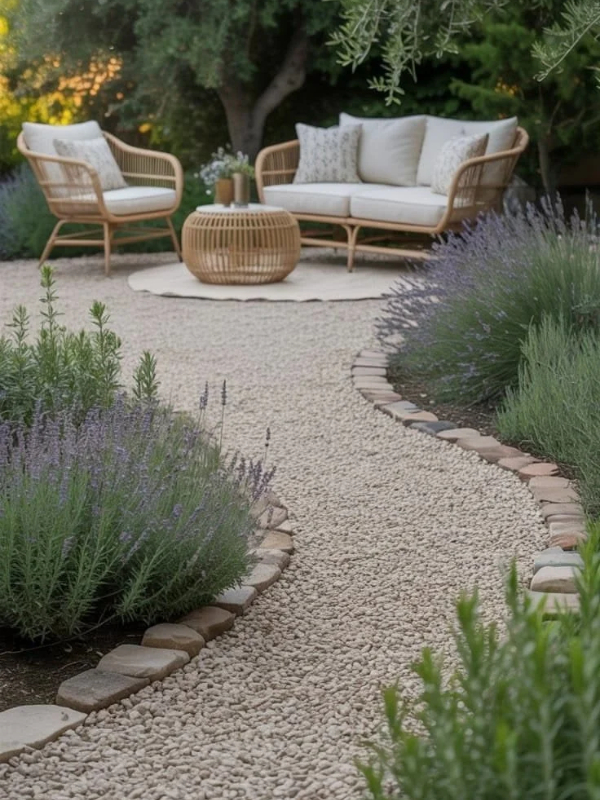
A gravel backyard is a practical option if you want to reduce the amount of grass you need to mow. It gives the space a neat appearance while providing a simple surface for outdoor furniture.
For this design, cover most of the ground with decorative gravel and create a small seating area using two weather-resistant chairs and a compact outdoor table. Add a few large planters around the seating area to introduce greenery without creating several garden beds that need regular weeding.
Use stepping stones to create a walkway through the gravel and place a small outdoor rug beneath the chairs. Choose gravel that suits your home and ensure the ground has drainage and weed-control preparation before installation.
2. Design a Minimalist Backyard With Neutral Outdoor Furniture
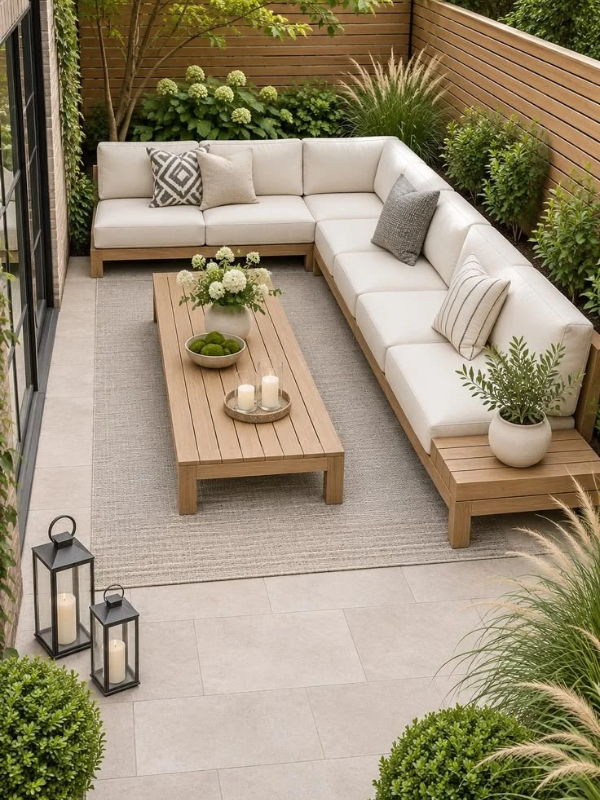
If you prefer a simple outdoor space, a minimalist backyard may be the right choice. It uses a limited number of furniture pieces, a restrained colour palette and carefully selected decorations.
Start with a paved or tiled seating area. Arrange a small outdoor sofa or two cushioned chairs around a low coffee table. Neutral colours such as beige, grey, cream and brown can help create a calm atmosphere.
Keep the surrounding area uncluttered. A few well-placed planters, one outdoor lantern and a simple rug are enough to complete the setup. Since the design doesn’t rely on numerous decorative pieces or complicated garden features, there is less to clean and rearrange.
3. Use Artificial Grass and Potted Plants for a Green Backyard
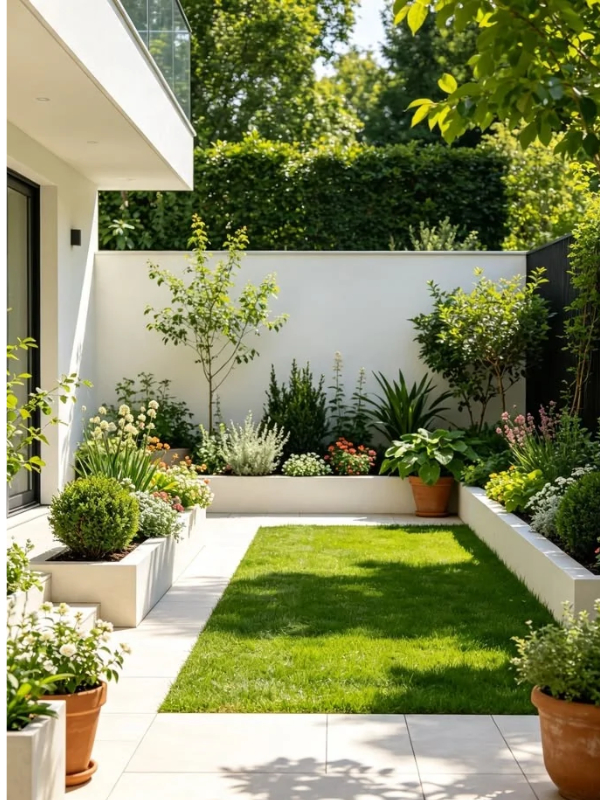
Natural grass needs mowing, watering, and occasional treatment to keep healthy. If you want a green backyard without regular lawn care, artificial grass may be worth considering.
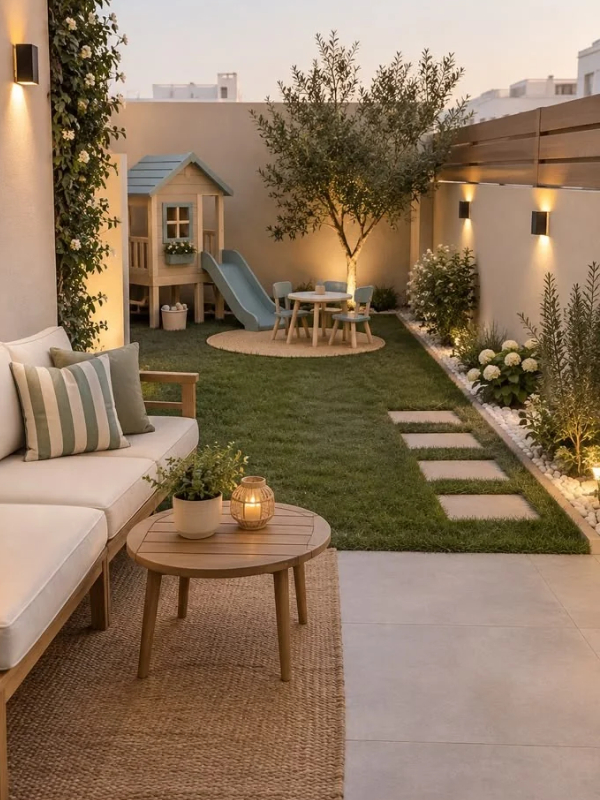
Install artificial turf over a properly prepared and well-drained surface. Place a small outdoor sofa or lounge chairs on a paved section beside the turf to create a comfortable seating area.
To make the space feel more natural, arrange potted plants along the edges. Use ornamental grasses, hardy shrubs, or other plants suited to your climate. Choose planters that are easy to move and clean.
Artificial grass still needs occasional brushing and cleaning, especially if pets or children use the area. However, it removes the need for routine mowing and reduces the natural lawn care.
4. Combine Mulched Garden Beds With Stone Pathways
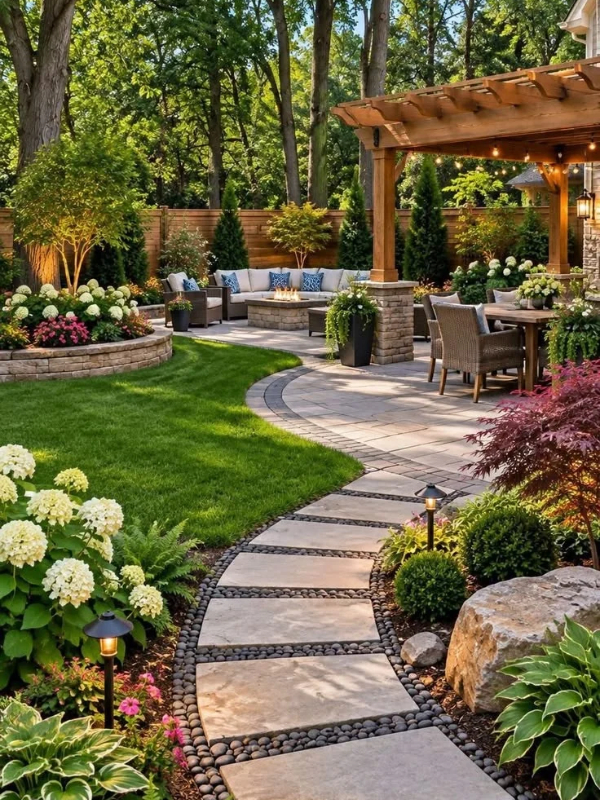
A backyard with several garden beds can require frequent weeding and watering, but using mulch can help reduce some of that work.
For this design, create a few defined garden beds along the edges of your backyard. Fill them with suitable shrubs and low-maintenance plants, then cover the exposed soil with a layer of organic or inorganic mulch.
Add a stone pathway through the middle of the yard, connecting the garden entrance to a small seating area at the back. You can use stepping stones, gravel, or larger paving slabs depending on the look you want.
The pathway gives the backyard structure, while the mulched beds help keep the planting areas tidy. Remember that organic mulch breaks down over time and needs replenishing.
5. Add Raised Garden Beds Beside a Small Seating Area
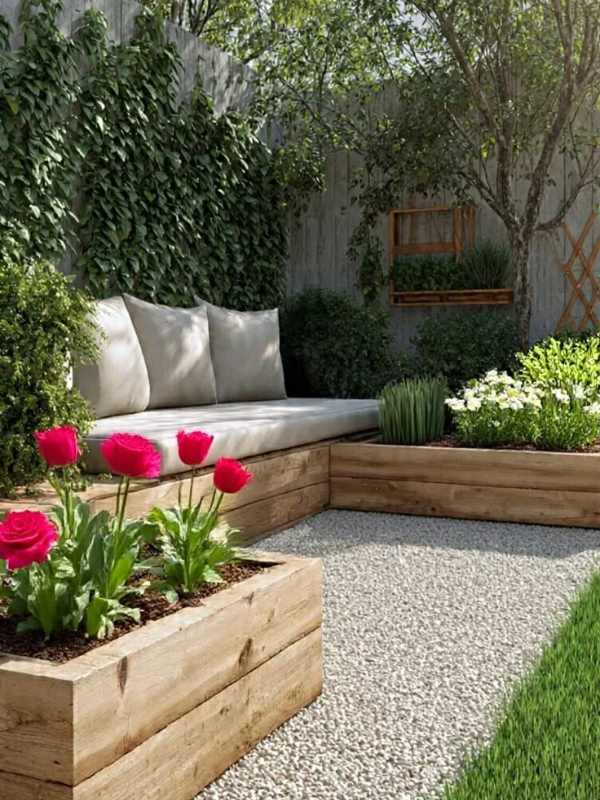
Raised garden beds can make planting easier to organise and give your backyard a defined layout. They are particularly useful if you want to grow a few herbs, flowers or compact vegetables without spreading planting areas across the entire yard.
Build one or two rectangular raised beds using treated timber or another suitable outdoor material. Position them along a fence or wall, leaving enough room for a small seating area nearby.
Place two outdoor chairs and a table beside the beds to create a spot where you can sit to enjoy the garden. Choose plants that suit your climate and do not require frequent pruning or watering.
Keep the number of raised beds manageable. A smaller planting area is easier to maintain than several large beds filled with plants that have different care requirements.
Low-Maintenance Cozy Backyard Designs for a Beautiful Space.
6. Create a Cozy Wooden Deck With Simple Furniture
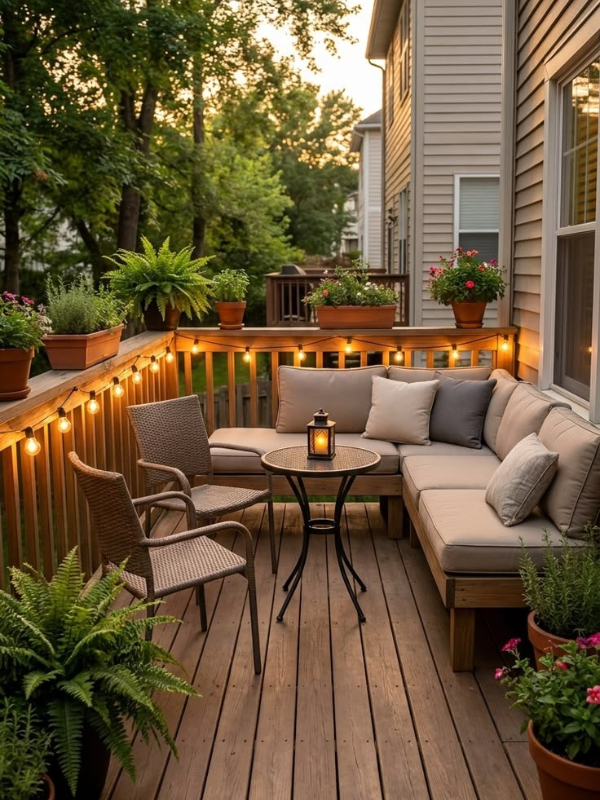
A wooden deck can give your backyard a comfortable place to sit without requiring a complicated garden layout. It also creates a clear outdoor living area with pieces of furniture.
Build a small deck in one section of the backyard and arrange an outdoor loveseat, two chairs, or a simple bench on it. Add a compact coffee table and a pair of outdoor cushions for comfort.
Place a few large planters around the deck edge to introduce greenery. Keep the rest of the yard simple with gravel, paving, or a small lawn area.
Choose decking materials that suit your climate and maintenance preferences. Natural timber may need periodic sealing or treatment, while composite decking can reduce some routine upkeep.
7. Build a Simple Pergola With Comfortable Seating
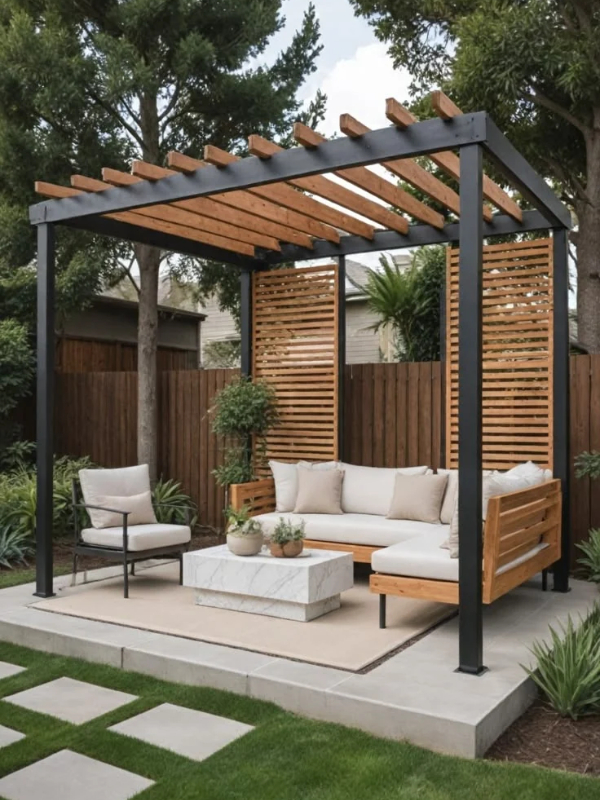
A pergola can provide shade and make a backyard seating area feel more defined. You don’t need to build a large structure or cover the entire yard to enjoy this feature.
Position a small pergola over a paved or gravel seating area. Underneath it, arrange a compact outdoor sofa or two comfortable chairs around a coffee table.
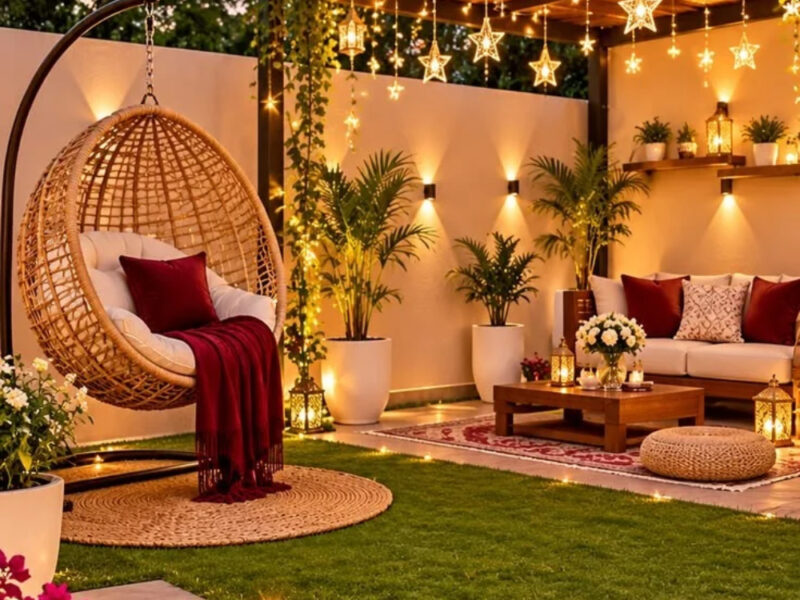
For decoration, use outdoor curtains, a few weather-resistant cushions, and simple hanging lights. If you want greenery, place some climbing plants near the pergola posts. Choose varieties that suit your climate and won’t require constant trimming.
Avoid overcrowding the structure with too many hanging decorations or plants. A simple arrangement will be easier to clean and maintain.
8. Give Your Backyard a Fresh Look With Recycled Planters
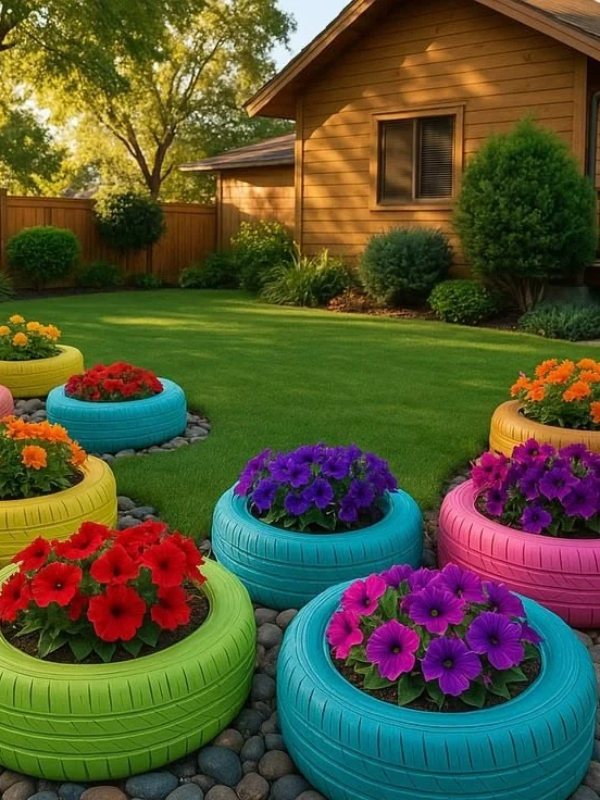
You don’t always need new garden accessories to create an attractive backyard. Suitable containers you already own can become useful planters with a little preparation.
For this design, collect a few sturdy containers, old buckets, or wooden boxes that are safe for outdoor planting. Make sure they have suitable drainage holes before adding potting mix and plants.
Arrange the containers in different heights along a fence or beside a paved seating area. Place a small bench nearby to create a simple garden corner.
Use containers that can withstand outdoor weather, and avoid materials that may break down or release harmful substances into the soil. Keep the arrangement manageable so you don’t end up with more plants than you can comfortably care for.
9. Arrange Decorative Stones and Large Planters for a Modern Look
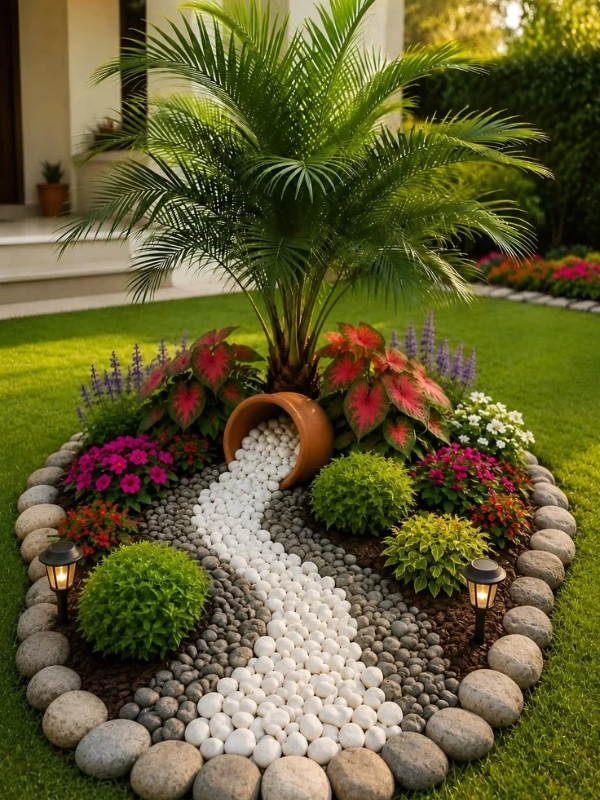
If you like a neat backyard with clear lines and minimal planting, decorative stones and large planters can work well together.
Start by creating a defined ground area using decorative pebbles or stone chips. Add two or three large planters with hardy shrubs or ornamental plants. Position them at different points rather than placing everything in one straight line.
A simple bench or pair of outdoor chairs can complete the design. You could also add a few large paving slabs to create a walking route across the stone-covered area.
This setup works particularly well when you want to limit the number of garden beds. Choose planters with good drainage and plants that can tolerate the amount of sunlight your backyard receives.
10. Set Up an Outdoor Dining Corner With Easy-Clean Furniture
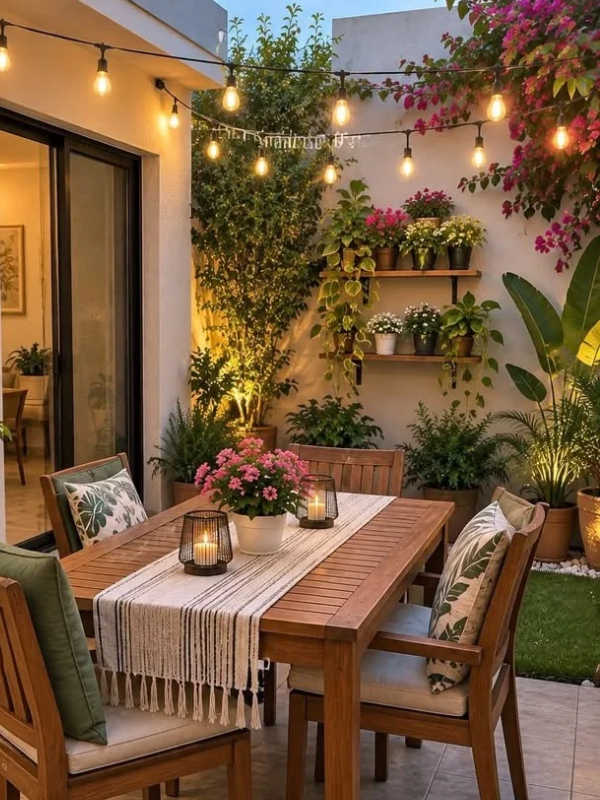
You can enjoy meals outside without creating a large outdoor kitchen or dining area. A small dining corner is enough for everyday meals, weekend breakfasts, or relaxed family time.
Choose a compact outdoor dining table with two to four chairs, depending on your available space. Place the furniture on a paved or tiled surface so you can sweep away crumbs and clean spills easily.
Add a large umbrella if the area receives direct sunlight. A few planters can soften the edges, but avoid placing too many around the table where they could get in the way.
Look for furniture made from weather-resistant materials that are easy to wipe clean. This will help reduce the time you spend cleaning and protecting the dining setup.
Low-Maintenance Cozy Backyard Designs for a Beautiful Space That’s Easy to Maintain
11. Create a Quiet Backyard Corner With a Hammock
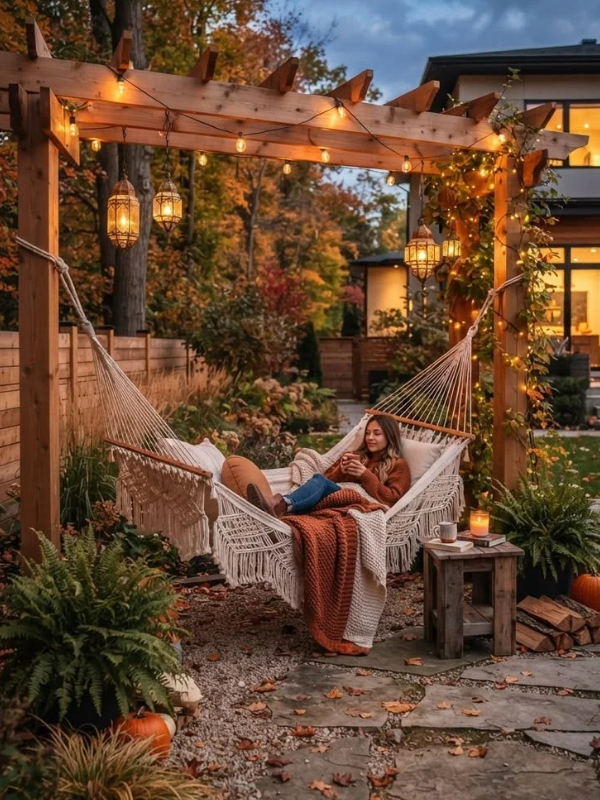
A hammock can turn an unused corner of your backyard into a relaxing place to read, rest, or enjoy the afternoon breeze. It also takes up less floor space than a full outdoor seating arrangement.
If you have two suitable trees, position the hammock between them using secure fittings. Alternatively, choose a freestanding hammock with a stable frame.
Place a small side table nearby for books, drinks, or other personal items. Define the area with gravel, outdoor tiles, or a simple ground covering, then add one or two large planters around the edges.
Keep the surrounding space open so the hammock remains easy to access. Choose a hammock made from durable, weather-appropriate material and store or protect it when necessary.
12. Design a Family-Friendly Backyard With Simple Play and Seating Areas
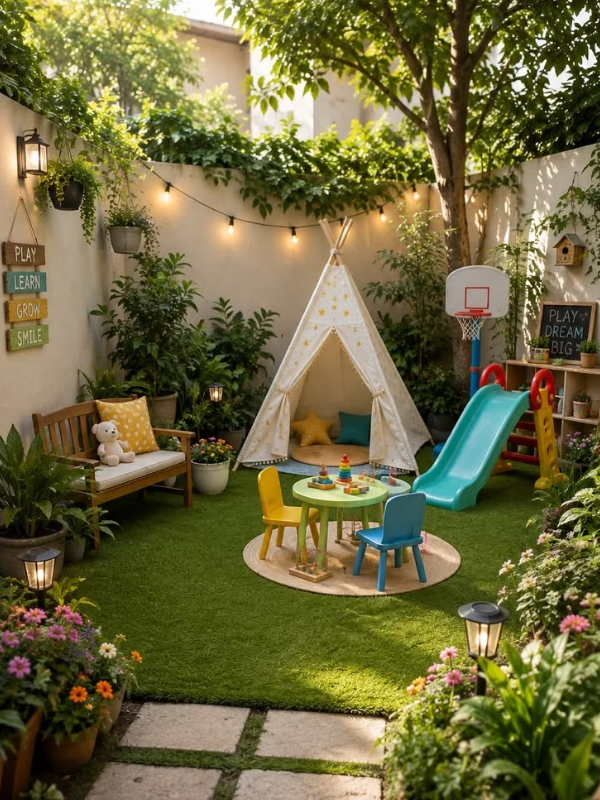
A family backyard needs to accommodate different activities without becoming difficult to maintain. Separate areas for children and adults while keeping the overall layout simple.
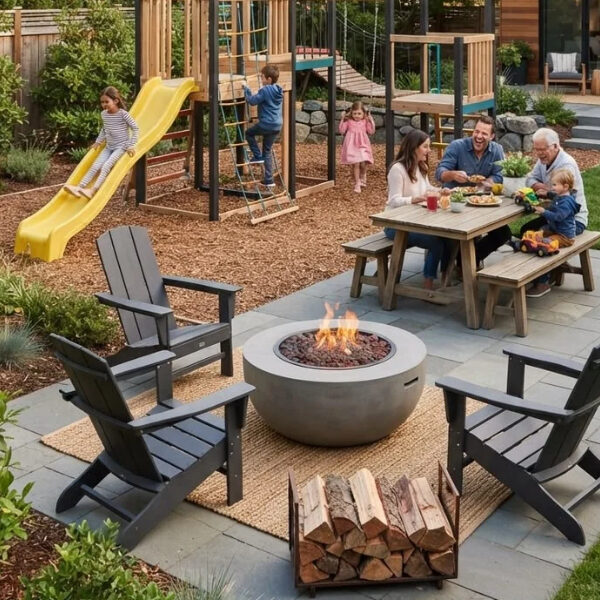
Use a small section of the yard for play, with a suitable outdoor play mat, compact play equipment, or a clear open area for games. Keep this space away from garden beds and fragile decorations.
On the other side, arrange a simple seating area with a weather-resistant bench or outdoor chairs. Use paving, artificial grass, or another suitable ground covering to make the different sections easier to manage.
Add a few sturdy planters around the perimeter rather than placing delicate plants throughout the yard. This gives the space some greenery while keeping the main play and walking areas clear.
How to Make Your Backyard Easier to Maintain
Choosing a low-maintenance design is a good starting point, but the materials, plants, and everyday arrangements you select will determine how much work the backyard needs over time.
These practical steps can help you keep the space neat without spending too much time on upkeep.
Choose Plants That Grow Well in Your Climate
The easiest plants to care for are usually those that suit the conditions in your area. A plant that needs frequent watering or protection from the weather may become difficult to maintain if it isn’t suited to your climate.
Before buying plants, consider how much sunlight your backyard receives, the type of soil you have, and how often you can water them. Look for hardy shrubs, suitable ground covers, and perennials that can grow well under your local conditions.
Native plants are often worth considering because many are adapted to the local environment. However, check their mature size and care requirements before planting.
Reduce the Amount of Natural Lawn
A large natural lawn can take up a lot of your maintenance time. It may need regular mowing, watering, edging, and occasional treatment to stay in good condition.
You don’t have to remove every patch of grass, but you can reduce the lawn area by introducing paving, gravel, mulched garden beds, or a small deck.
Keep the remaining grass in a simple shape that is easy to mow. Avoid creating many narrow sections or awkward corners that make lawn care more difficult.
Choose Outdoor Furniture That Lasts
Furniture that cannot withstand outdoor conditions may fade, rust, crack, or become difficult to clean. Replacing damaged pieces regularly can add unnecessary work and expense.
Look for furniture made from materials suitable for outdoor use, such as powder-coated metal, treated timber, resin or quality outdoor-rated plastic. Consider how easy each material is to wipe down and protect.
Choose cushions with removable, washable covers where possible. You should also have a suitable place to store cushions and other soft furnishings when the weather is poor.
Use Mulch to Reduce Weeds
Weeds can make garden beds look untidy and take time to remove. Applying mulch around plants can help reduce weed growth by covering exposed soil.
Organic mulch, such as bark chips or composted materials, can improve soil as it breaks down. Inorganic options, such as decorative stones, can last longer but may need occasional cleaning.
Before adding mulch, remove existing weeds and prepare the soil. Apply an appropriate layer while keeping mulch away from direct contact with plant stems and tree trunks.
Make Watering More Convenient
Plants that need frequent watering can make backyard maintenance feel like a daily responsibility. Grouping plants according to their watering needs can make the process easier.
Place plants with similar requirements together and choose containers that retain moisture appropriately for the plant species. You could also consider a drip irrigation system or a simple watering timer if your setup allows it.
Avoid watering on a fixed schedule without checking the soil and weather conditions. The amount of water plants need can change depending on the season, temperature, and rainfall.
Create Storage for Outdoor Supplies
Garden tools, watering cans, cushions, and cleaning supplies can quickly make a backyard look cluttered when they have no proper storage space.
A small outdoor storage box or weather-resistant cabinet can keep these items organised. Position it somewhere accessible without blocking the main walkway or taking up valuable seating space.
You can use the storage area for items you regularly need, such as gardening gloves, hand tools and furniture covers. Keeping everything in one place makes routine maintenance easier.
Best Plants for a Low-Maintenance Backyard
Plants add colour, texture and life to an outdoor space, but not every variety is suitable for a low-maintenance garden. Some need frequent pruning, watering, feeding or pest control.
When selecting plants, consider your local climate, soil, sunlight and available space. Here are a few plant groups worth trying for a low-maintenance backyard:
- Hardy shrubs: Many established shrubs need less frequent attention once they are properly planted. Choose varieties that naturally stay within the size you want so they do not require constant trimming.
- Ornamental grasses: These can add height and movement to garden beds. Select varieties that suit your climate and check how often they need cutting back.
- Ground-cover plants: Suitable ground covers can fill empty spaces between larger plants and help reduce exposed soil where weeds may grow.
- Native plants: Locally adapted species can be easier to establish because they are suited to the conditions in their natural region.
- Drought-tolerant plants: If your backyard receives plenty of sunlight or you cannot water frequently, consider plants that can tolerate periods of dry weather once established.
- Low-maintenance perennials: Some perennials return year after year and can provide seasonal colour without needing to be replanted every season.
Remember that low-maintenance doesn’t mean no maintenance. Even hardy plants need the right growing conditions, occasional watering, and some care as they establish.
Low-Maintenance Cozy Backyard Designs for a Beautiful Space That’s Easy to Maintain
Best Materials for a Low-Maintenance Backyard
The ground covering, furniture, and outdoor surfaces you choose can make a noticeable difference to how much work your backyard requires.
Here are some options to consider when planning your design.
Gravel
Gravel is useful for pathways, seating areas, and sections where you want to reduce natural lawn. It is relatively simple to install and can provide good drainage when the base is prepared correctly.
However, gravel can shift over time, and leaves or other debris may collect between the stones. A suitable weed-control layer and occasional maintenance can help keep it tidy.
Paving Stones
Paving stones create a stable surface for outdoor seating and dining areas. They are easy to sweep and can reduce the amount of grass that needs mowing.
The gaps between pavers may develop weeds, so proper installation and occasional cleaning are important. Choose a suitable surface finish to reduce the risk of slipping when wet.
Mulch
Mulch helps cover exposed soil, reduce weed growth, and protect the ground around plants. It is especially useful in garden beds.
Organic mulch needs replacing as it breaks down, while stone mulch may last longer but can become dirty or allow weeds to grow in accumulated debris.
Composite Decking
Composite decking can be an option if you want the appearance of a deck without some of the maintenance associated with natural timber. Many products require routine cleaning rather than regular staining or sealing.
Check the manufacturer’s care instructions and make sure the material is suitable for your climate and installation area.
Artificial Grass
Artificial grass can reduce the need for mowing and routine lawn watering. It is useful for creating a green-looking area where natural grass would be difficult to maintain.
It still needs occasional brushing, cleaning, and debris removal. Proper drainage and professional installation are important, especially in areas that experience heavy rainfall.
Low-Maintenance Cozy Backyard Designs for a Beautiful Space That’s Easy to Maintain
Backyard Features to Avoid if You Want Less Maintenance
Some backyard features look appealing but can require more attention than you may be willing to give them. If your main goal is to reduce upkeep, think carefully before adding the following:
- Large natural lawns: They often need regular mowing, watering, and edging, especially during active growing seasons.
- Too many delicate plants: Plants with demanding watering, pruning, or feeding requirements can quickly turn a simple garden into a time-consuming project.
- Complicated water features: Ponds and elaborate fountains may need regular cleaning, water treatment, and equipment checks.
- Untreated outdoor timber: Some types of natural wood need periodic sealing or treatment to protect them from weather damage.
- Too many small decorations: Numerous ornaments, pots, and decorative objects create more surfaces to clean and more items to rearrange.
- Difficult-to-clean furniture: Furniture with delicate fabrics or materials that do not tolerate outdoor conditions may need frequent cleaning and protection.
This doesn’t mean you must avoid every feature on the list. It simply helps to understand the upkeep involved before adding something to your backyard.
Frequently Asked Questions About Low-Maintenance Cozy Backyard Designs
1. What is the easiest type of backyard to maintain?
A backyard with simple landscaping, durable ground coverings, and a limited number of easy-care plants is generally easier to maintain. Gravel, paving, mulch, and compact seating areas can reduce the mowing, weeding, and cleaning required.
2. How can I make my backyard cozy without adding too much maintenance?
Start with a comfortable seating area, suitable outdoor lighting, and a few carefully selected plants. Use weather-resistant furniture and avoid filling every available space with decorations or garden features that require regular attention.
3. What plants are best for a low-maintenance backyard?
Hardy shrubs, suitable ground-cover plants, native species, ornamental grasses, and some drought-tolerant perennials can be good options. The best choices depend on your climate, soil, sunlight, and watering conditions.
4. Is artificial grass a good option for a low-maintenance backyard?
Artificial grass can be useful if you want a green outdoor area without mowing or routine lawn watering. However, it still needs occasional brushing and cleaning, and proper installation is important to prevent drainage problems.
5. What is the best ground covering for a low-maintenance backyard?
Gravel, paving stones, mulch, and artificial grass are all options. The right choice depends on how you use your backyard, how much maintenance you can manage, your climate, and your preferred look.
How can I reduce weeds in my backyard?
Remove existing weeds before installing ground coverings, use mulch in garden beds, and prepare the soil properly. Suitable landscape fabric may help in some areas, but it is not a complete solution and needs to be installed correctly.
Can I have a beautiful backyard without a lawn?
Yes. You can create an attractive outdoor space using gravel, paving stones, raised planters, garden beds, a small deck, and comfortable seating. A lawn is only one of many ways to design a backyard.
How often should I maintain a low-maintenance backyard?
The amount of maintenance depends on the materials, plants and features you choose. You may need to sweep pathways, remove leaves, check plants, clean furniture, and manage weeds regularly, while tasks such as pruning, replenishing mulch, and servicing outdoor features may be needed less frequently.
Conclusion: Enjoy a Cozy Backyard Without the Extra Work
A welcoming backyard doesn’t have to come with a long list of gardening and cleaning responsibilities. With the right layout, suitable plants, and durable materials, you can create an outdoor space that looks inviting without demanding too much of your time.
Start by thinking about how you want to use the space. You might prefer a gravel seating area where you can relax, a small deck for outdoor meals, or a simple garden corner with a hammock. Choose the features that fit your lifestyle instead of adding things you will struggle to maintain.
You can also make the process easier by reducing unnecessary lawn areas, choosing plants that grow well in your climate,e and keeping outdoor furniture and decorations simple.
The goal is to create a backyard you can enjoy rather than one that constantly feels like another task on your to-do list. With a little planning, even a simple outdoor setup can become a comfortable place to spend your free time.
This post shared Low-Maintenance Cozy Backyard Designs for a Beautiful Space That’s Easy to Maintain.